Introduction
When planning a bathroom layout, one crucial aspect to consider is the toilet clearance—the space required around the toilet for comfortable use and easy access. Proper toilet clearance ensures a functional and comfortable bathroom experience. In this guide, we will explore the factors to consider when determining the right toilet clearance for your bathroom layout, helping you create a space that fits perfectly with your needs and maximizes convenience. An ada toilet clearance ensures sufficient space around the toilet, allowing individuals with disabilities to maneuver comfortably and promoting inclusivity in restroom accessibility.
1. Building Codes and Regulations
Before diving into the specifics of toilet clearance, it’s essential to familiarize yourself with local building codes and regulations. These codes dictate the minimum requirements for clearances to ensure safety and accessibility. They may vary depending on your location, so consult with your local building authority or a professional contractor to ensure compliance with the regulations in your area.
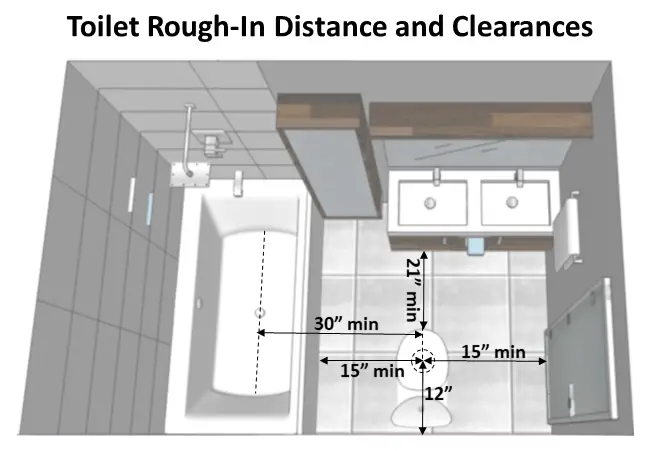
2. Standard Toilet Clearance Guidelines
While building codes provide minimum requirements, it’s often recommended to aim for more generous clearances to enhance comfort and accessibility. Here are some general guidelines to consider:
- Front Clearance: Leave at least 21 inches (53 cm) of clear space in front of the toilet bowl. This allows for easy approach and maneuverability, especially for individuals with mobility challenges.
- Side Clearance: Provide a minimum of 15 inches (38 cm) of clear space on each side of the toilet. This allows for comfortable seating and proper use of accessories like toilet paper holders.
- Rear Clearance: Aim for a minimum of 12 inches (30 cm) of clear space behind the toilet. This allows for easy access to the tank for maintenance or repairs.
- Diagonal Clearance: Consider the diagonal space from the front center of the toilet bowl to any obstruction, such as a wall or vanity. Aim for at least 30 inches (76 cm) to allow for comfortable legroom.
3. Space Constraints and Bathroom Layout
The available space in your bathroom will play a significant role in determining the toilet clearance. If you have a small bathroom or limited floor area, you may need to find creative solutions to meet the recommended clearances. Consider the following options:
- Compact Fixtures: Look for compact toilets that are specifically designed for smaller spaces. These toilets are designed to save space while still providing adequate clearance for comfortable use.
- Offset Plumbing: In some cases, you may be able to offset the toilet plumbing to gain additional clearance. This involves relocating the plumbing to the side or rear, allowing for more space in front of the toilet.
- Alternative Layouts: If space is extremely limited, you may need to explore alternative bathroom layouts, such as corner toilets or wall-mounted toilets, which can help optimize space and provide more flexibility in toilet placement.
4. Accessibility Considerations
If you’re designing a bathroom with accessibility in mind, additional considerations may be necessary. Accessibility standards may require larger clearances to accommodate individuals using mobility aids or wheelchairs. Consult with accessibility guidelines or seek advice from professionals experienced in designing accessible bathrooms to ensure compliance and optimal usability.
5. User Comfort and Ergonomics
While adhering to building codes and guidelines is important, it’s equally crucial to consider user comfort and ergonomics. Clearances that exceed the minimum requirements can enhance the overall bathroom experience. Take into account the needs and preferences of the individuals who will be using the bathroom and aim for clearances that promote ease of use, maneuverability, and comfort.
Conclusion
Determining the right toilet clearance for your bathroom layout is essential for creating a functional and comfortable space. Consider building codes and regulations, aim for generous clearances, and adapt to any space constraints or accessibility requirements. By finding the perfect fit between functionality and comfort, you can design a bathroom that meets your needs and enhances your daily routines.