Introduction
Mold is a common problem that can wreak havoc on homes and buildings, compromising both the structural integrity and the health of occupants. Mold remediation is the process of eliminating mold growth and restoring affected areas to a safe and healthy condition. In this comprehensive guide, we will cover everything you need to know about mold remediation, including its causes, signs of mold infestation, health risks, and the essential steps involved in effective remediation. Whether you’re a homeowner or a business owner, understanding mold remediation is vital for safeguarding your property and the well-being of those who inhabit it. Before initiating any remediation efforts, it is crucial to conduct comprehensive mold testing Tampa to accurately assess the extent of the mold problem and determine the appropriate steps for effective mold removal.
What Causes Mold?
Mold thrives in environments with excessive moisture and organic materials for nourishment. Common causes of mold growth include:
- Water leaks from plumbing or roofs
- High humidity levels
- Flooding or water damage
- Poor ventilation
- Condensation on windows or walls
Signs of Mold Infestation
Recognizing the signs of mold infestation is crucial for early detection and prompt remediation. Common signs include:
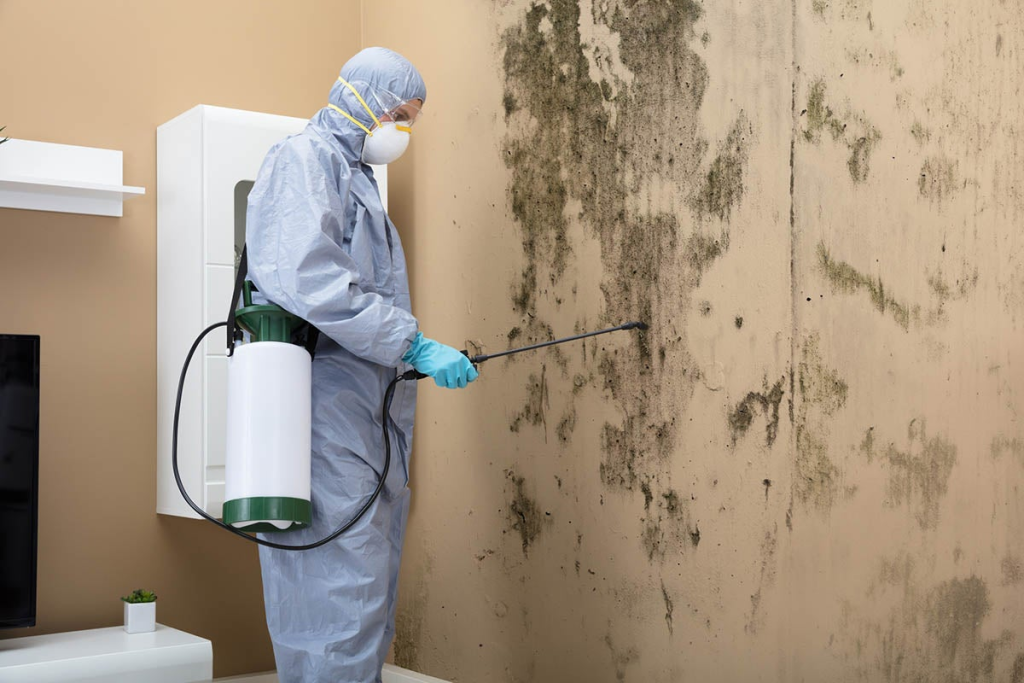
- Visible mold growth on walls, ceilings, or other surfaces
- Musty odor
- Water stains or discoloration
- Allergic reactions, such as sneezing, coughing, or skin irritation
If you notice any of these signs, it’s important to take action and address the mold issue promptly.
Health Risks Associated with Mold
Exposure to mold can lead to various health problems, especially for individuals with respiratory conditions, allergies, or weakened immune systems. Health risks associated with mold include:
- Allergic reactions, such as nasal congestion, sneezing, and skin rashes
- Respiratory issues, including coughing, wheezing, and shortness of breath
- Sinus infections and nasal congestion
- Asthma attacks or worsening of asthma symptoms
The Mold Remediation Process
Effective mold remediation involves a series of essential steps. Here’s a breakdown of the process:
Step 1: Assessment and Inspection
A thorough assessment is conducted to identify the extent of the mold infestation and determine the appropriate remediation strategy. Certified mold remediation professionals inspect the affected areas, assess moisture sources, and develop a comprehensive plan tailored to the specific situation.
Step 2: Containment
Containment measures are implemented to prevent mold spores from spreading to unaffected areas. Physical barriers and negative air pressure systems are used to isolate the contaminated space, minimizing the risk of cross-contamination.
Step 3: Mold Removal
The process of mold removal involves safely and effectively eliminating mold growth and contaminated materials. Specialized equipment and techniques are utilized to ensure thorough removal while minimizing the release of mold spores into the air.
Step 4: Cleaning and Sanitization
After mold removal, the affected surfaces are carefully cleaned and sanitized. This step helps eliminate any remaining mold spores and prevents future mold growth. Antimicrobial treatments may be applied to further inhibit mold development.
Step 5: Drying and Restoration
Addressing the moisture source is crucial for preventing mold recurrence. The affected area is thoroughly dried using professional drying equipment, and any necessary repairs or restoration work is carried out to restore the space to its pre-mold condition.
Professional Mold Remediation vs. DIY
While minor mold issues can sometimes be addressed through DIY methods, it’s generally recommended to seek professional mold remediation services for significant or recurring mold problems. Certified professionals have the expertise, experience, and specialized equipment necessary to ensure thorough mold removal and proper restoration, reducing the risk of future issues.
Conclusion
Mold remediation is a critical process for addressing mold infestations and restoring the safety and well-being of affected spaces. By understanding the causes of mold, recognizing the signs of infestation, and following the essential steps of mold remediation, you can effectively eliminate mold and create a healthier environment. Remember, it’s important to act promptly when faced with a mold problem and consider engaging the services of certified mold remediation professionals for optimal results.