Gaming has come a long way since its humble beginnings in arcades. Over the years, it has evolved into a vibrant and diverse culture that spans across various platforms and technologies. From arcades to online platforms, this article will trace the fascinating journey of gaming culture and explore how it has transformed with the advancements in technology. If you’re a fan of online slot games, look no further than สล็อตpg เว็บตรง for an incredible gaming experience.
The Rise of Arcades
In the early days of gaming, arcades were the go-to places for gamers. These bustling spaces housed cabinets with iconic games like Pac-Man, Space Invaders, and Donkey Kong. People would gather at arcades, feeding coins into machines and competing for high scores. Arcades provided a social experience, bringing together gamers of all ages to engage in friendly competition and share their love for gaming.
Console Gaming Takes Center Stage
As technology progressed, home console gaming became increasingly popular. Companies like Nintendo, Sega, and Sony introduced gaming consoles that allowed people to play games in the comfort of their own homes. This shift brought gaming into the mainstream, reaching a wider audience. With titles like Super Mario Bros., Sonic the Hedgehog, and Final Fantasy, console gaming became a staple in many households and sparked a new level of enthusiasm for gaming.
The Emergence of PC Gaming
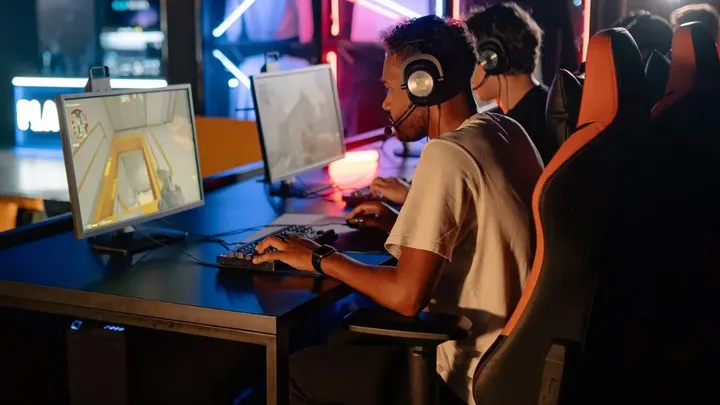
While consoles were dominating the gaming scene, personal computers were also making their mark. PCs offered a different gaming experience, with their versatility and ability to handle more complex games. PC gaming introduced genres like real-time strategy, first-person shooters, and massively multiplayer online role-playing games (MMORPGs). Games such as Warcraft, Doom, and World of Warcraft became huge hits, attracting millions of players and solidifying PC gaming as a significant part of gaming culture.
The Impact of Online Gaming
With the rise of the internet, gaming experienced another monumental shift. Online gaming brought people together from different corners of the world, allowing them to connect and compete in virtual environments. Multiplayer online games like EverQuest, Counter-Strike, and World of Warcraft revolutionized the way gamers interacted and formed communities. Online gaming not only provided a platform for competition but also fostered friendships and created a sense of belonging within the gaming culture.
The Evolution of Gaming Communities
As gaming evolved, so did the communities surrounding it. Online forums, chat rooms, and social media platforms became hubs for gamers to share experiences, discuss strategies, and connect with like-minded individuals. These communities provided a space for gamers to express themselves, seek support, and stay updated on the latest gaming trends. The gaming culture became more inclusive, diverse, and interconnected, breaking down barriers and bringing people together regardless of their geographical location.
The Influence of Esports
Esports emerged as a significant force within the gaming culture. Competitive gaming transformed into professional tournaments and leagues, attracting massive audiences and offering lucrative opportunities for skilled players. Games like League of Legends, Dota 2, and Overwatch became the centerpieces of esports, with professional players competing for substantial prize pools. The rise of esports showcased gaming as a legitimate sport and further elevated gaming culture’s status in the mainstream.
Mobile Gaming and Its Role in Gaming Culture
The advent of smartphones brought gaming to the fingertips of millions. Mobile gaming exploded in popularity, with simple yet addictive games like Angry Birds, Candy Crush Saga, and Pokémon Go captivating a vast audience. Mobile games offered quick and accessible entertainment, allowing people to play anytime and anywhere. Mobile gaming contributed to the diversification of gaming culture, attracting casual gamers and introducing gaming to demographics that were previously untapped.
Virtual Reality and Augmented Reality Gaming
Advancements in technology led to the introduction of virtual reality (VR) and augmented reality (AR) gaming. VR headsets allowed players to immerse themselves in virtual worlds, while AR brought gaming elements into the real world through smartphone cameras or specialized devices. Games like Beat Saber, Half-Life: Alyx, and Pokémon Go (AR mode) pushed the boundaries of gaming experiences, blurring the line between the digital and physical realms. VR and AR gaming opened up new possibilities and added another layer of excitement to the ever-evolving gaming culture.
The Future of Gaming Culture
Looking ahead, gaming culture shows no signs of slowing down. With the continuous advancement of technology, we can expect more immersive gaming experiences, innovative gameplay mechanics, and enhanced connectivity. The integration of artificial intelligence, cloud gaming, and cross-platform compatibility holds promising prospects for the future of gaming. Gaming culture will continue to thrive, captivating generations to come and shaping the way we experience entertainment.
Conclusion
From arcades to online platforms, the evolution of gaming culture has been remarkable. It has transcended barriers, connected people across the globe, and created communities that celebrate the joy of gaming. As technology continues to push boundaries, gaming culture will undoubtedly continue to evolve, offering new experiences and opportunities for gamers worldwide.