Introduction
Environmental stewardship involves responsibly managing and protecting our natural resources for the benefit of present and future generations. When it comes to water resources, ensuring their quality and safety is of paramount importance. Water testing services play a vital role in this process by providing comprehensive analyses and assessments of water samples. The Certified Water Testing Lab employs rigorous protocols and highly trained experts to provide accurate and reliable analysis of water samples, ensuring the highest standards of quality and safety. In this article, we will explore how water testing services contribute to environmental stewardship and the significance of their role in safeguarding our water resources.
Understanding Water Quality
Water testing services are essential for understanding the quality of our water resources. Through scientific analysis and testing, these services assess various parameters that determine water quality. These parameters may include pH levels, dissolved oxygen, nutrient concentrations, presence of contaminants, and other physical and chemical characteristics. By examining these factors, water testing services provide valuable insights into the overall health and condition of our water resources.
Early Detection of Contamination
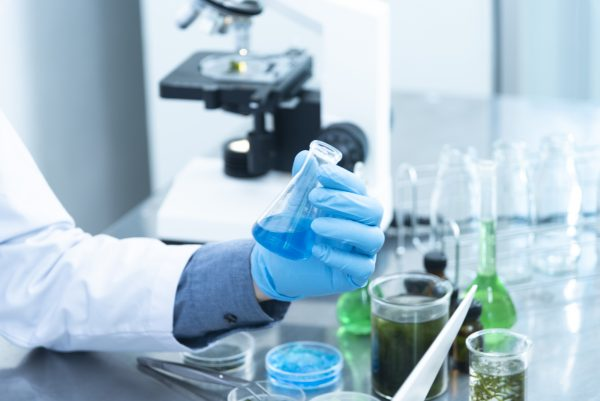
One of the primary functions of water testing services is to detect the presence of contaminants in water sources. Contamination can arise from various sources such as industrial discharges, agricultural runoff, and improper waste disposal. By conducting regular and thorough testing, these services can identify contaminants early on, allowing for prompt action to mitigate the impact on the environment. Early detection is crucial in preventing further contamination and protecting the integrity of our water resources.
Assessing Impact on Aquatic Ecosystems
Water ecosystems, including rivers, lakes, and wetlands, support a diverse array of plant and animal species. Contaminated water can have severe consequences for these ecosystems, disrupting the delicate balance of aquatic life. Water testing services contribute to environmental stewardship by evaluating the impact of water contamination on aquatic ecosystems. Through their assessments, they can identify the specific contaminants present and the potential harm they pose to flora and fauna. This information guides conservation efforts and helps in developing strategies to protect and restore these vital ecosystems.
Supporting Sustainable Water Management
Water testing services also play a crucial role in promoting sustainable water management practices. By providing accurate data on water quality, these services enable stakeholders to make informed decisions regarding water usage and conservation. For example, farmers can adjust their irrigation practices based on water quality information, minimizing the use of contaminated water on crops. Similarly, industries can implement appropriate treatment methods to ensure that their wastewater does not negatively impact the environment. Water testing services serve as a valuable resource in supporting sustainable water management strategies.
Ensuring Compliance with Environmental Regulations
Environmental regulations and standards are in place to protect water resources and prevent contamination. Water testing services assist in ensuring compliance with these regulations. By conducting tests and analyses in accordance with regulatory guidelines, these services provide objective and verifiable data that can be used to demonstrate compliance. This fosters accountability and encourages responsible practices among individuals, businesses, and industries, promoting overall environmental stewardship.
Empowering Community Engagement
Water testing services empower communities to actively engage in the protection and conservation of their water resources. By providing accessible and understandable information about water quality, these services enable community members to make informed decisions about their water usage and take necessary actions to reduce pollution and contamination risks. This fosters a sense of ownership and collective responsibility for environmental stewardship, leading to long-term positive impacts on water resources.
Conclusion
Water testing services are a vital step in environmental stewardship, as they provide essential information about water quality, detect contamination early on, assess the impact on aquatic ecosystems, support sustainable water management, ensure compliance with regulations, and empower communities to take action. By utilizing the expertise of water testing services, we can actively protect and preserve our water resources, ensuring their availability for future generations and fostering a sustainable and healthy environment.