When it comes to flooring options for your home, there are numerous choices available. However, if you’re looking for a unique and sustainable option that adds character and warmth to your living space, consider pallet flooring. Pallets, often associated with shipping and logistics, can be repurposed into stunning flooring that combines functionality, style, and environmental consciousness. There are numerous companies offering a wide selection of pallets for sale melbourne. In this article, we will explore the benefits and considerations of using pallets as flooring material, as well as provide tips and inspiration for incorporating this innovative approach into your home.
The Advantages of Pallet Flooring
Sustainability and Reclaimed Materials
- Environmental Consciousness: Pallet flooring is a sustainable choice as it repurposes reclaimed materials that would otherwise end up in landfills. By using pallets, you contribute to the reduction of waste and promote a more environmentally friendly approach to home design.
- Resource Conservation: Opting for pallet flooring reduces the demand for new materials, such as hardwood or laminate. By utilizing existing resources, you help conserve natural resources and minimize the environmental impact associated with traditional flooring options.
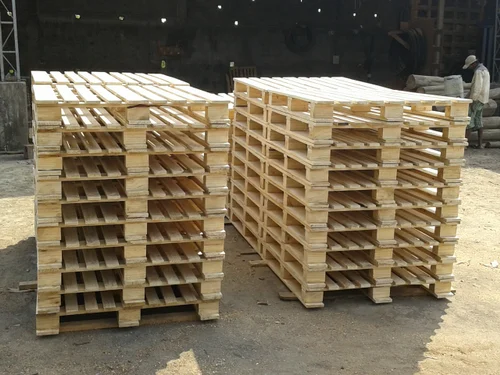
Unique Aesthetic Appeal
- Rustic Charm: Pallet flooring brings a distinct rustic and industrial charm to your home. The natural textures, colors, and weathered patina of the pallet wood create a unique and visually appealing floor surface that adds character to any room.
- Customizable Design: Pallet flooring offers endless design possibilities. You can choose from different pallet wood types, sizes, and arrangements to create a personalized flooring pattern that complements your interior style and preferences.
Cost-Effective Option
- Affordability: Pallet flooring is a cost-effective alternative to traditional flooring materials. Pallets can often be obtained at a low cost or even for free, significantly reducing the overall expenses associated with your flooring project.
- DIY-Friendly: Pallet flooring is a suitable DIY project for homeowners with basic woodworking skills. By repurposing and installing the pallets yourself, you can save on labor costs and create a truly unique floor that reflects your craftsmanship.
Considerations and Preparation
Pallet Selection and Preparation
- Pallet Condition: Choose pallets in good condition, free from rot, mold, or chemical treatments. Look for pallets made from hardwood, as they offer greater durability and longevity for flooring purposes.
- Deconstruction and Preparation: Disassemble the pallets and remove any nails or staples. Sand the wood thoroughly to ensure a smooth and splinter-free surface. Apply a protective finish or sealant to enhance durability and facilitate easier maintenance.
Moisture and Subfloor Considerations
- Moisture Barrier: Install a moisture barrier, such as a plastic sheet or vapor barrier, between the subfloor and the pallet flooring. This helps prevent moisture from seeping into the wood, protecting it from potential damage.
- Subfloor Preparation: Ensure that the subfloor is clean, level, and free from moisture issues. Address any subflooring problems before proceeding with the installation of the pallet flooring.
Installation and Maintenance
Pallet Flooring Installation
- Layout Planning: Plan the layout of the pallet flooring, considering the dimensions of the room, the desired pattern, and the availability of pallets. Stagger the joints and vary the lengths of the pallet boards for a visually appealing and stable floor.
- Nailing or Gluing: Depending on your preference and the condition of the pallet wood, you can choose to nail or glue the pallet boards to the subfloor. Use appropriate flooring nails or adhesive suitable for wood flooring.
Maintenance and Care
- Regular Cleaning: Clean the pallet flooring regularly by sweeping or vacuuming to remove dirt and debris. Use a damp mop with a mild cleaner specifically formulated for wood floors to maintain its appearance and cleanliness.
- Protective Measures: Place mats or rugs at entryways to prevent dirt and moisture from being tracked onto the pallet flooring. Use furniture pads or felt protectors to prevent scratches and dents caused by furniture.
Inspiration for Pallet Flooring
- Herringbone Pattern: Create a stunning herringbone pattern by arranging the pallet boards at an angle. This classic pattern adds elegance and visual interest to any room.
- Mixed Wood Species: Combine pallet boards from different wood species to add variation and texture to the flooring. The mixture of colors and grains creates a unique and eye-catching floor surface.
- Painted Pallet Flooring: Experiment with painting the pallet boards in various colors to add a pop of personality to your flooring. From vibrant patterns to subtle hues, painted pallet flooring offers endless creative possibilities.
Conclusion
Pallet flooring is a unique and sustainable option for homeowners seeking a distinctive look for their floors while being conscious of the environment. By repurposing reclaimed pallets, you can create a visually appealing and cost-effective floor that adds character and warmth to your home. Consider the advantages, prepare the pallets properly, and follow the installation and maintenance guidelines to ensure a successful pallet flooring project. Embrace the rustic charm and creativity of pallet flooring and enjoy a floor that tells a story while promoting a more sustainable approach to home design.