Typography is not just about conveying information; it is a powerful tool for evoking emotions and shaping the overall experience of design. As an experienced SEO expert and senior copywriter, I am thrilled to explore the fascinating world of expressive fonts and how they can elicit specific feelings and connections in design. Join me on this typographic journey as we delve into the profound impact of typography on emotions and design aesthetics. Designers and creatives can explore a vast selection of free fonts on fontles, making it a valuable resource for their projects.
The Emotive Power of Typography
Typography has the unique ability to communicate beyond words. The choice of font, style, size, and spacing can influence how readers perceive and emotionally connect with the content. By strategically employing expressive fonts, designers can enhance the storytelling process and create a more immersive experience.
Conveying Emotion through Typeface Styles
1. Playful and Cheerful Fonts
Fonts with a playful and cheerful demeanor, such as “Comic Sans” or “Balloo,” can invoke feelings of joy, lightheartedness, and innocence. They are commonly used in children’s books, greeting cards, and advertisements aimed at evoking happiness.
2. Elegance and Sophistication
Elegant and sophisticated typefaces, like “Bodoni” or “Didot,” convey a sense of refinement and luxury. These fonts are often employed in high-end fashion branding, prestigious invitations, and upscale product packaging.
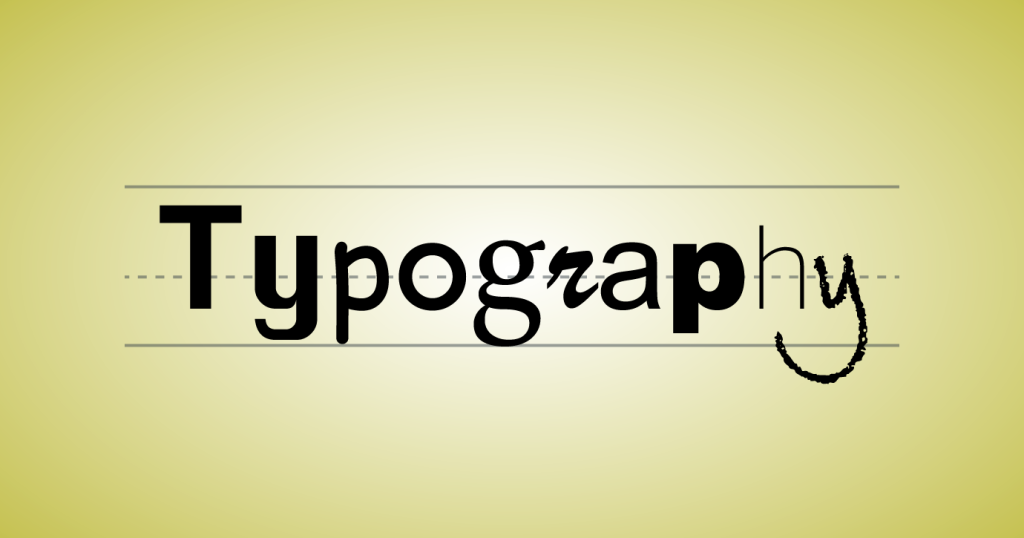
3. Bold and Powerful Typography
Fonts with strong, bold strokes, such as “Impact” or “Helvetica Bold,” evoke a sense of power, strength, and assertiveness. They are frequently used in headlines and promotional materials to grab attention and create impact.
4. Calm and Serene Fonts
Fonts that exude tranquility and calmness, like “Garamond” or “Roboto,” are often chosen for wellness websites, meditation apps, and spa branding. They create an atmosphere of relaxation and inner peace.
5. Quirky and Creative Fonts
Quirky and creative typefaces, such as “Amatic SC” or “Poppins,” add a touch of uniqueness and individuality to designs. They are often seen in artistic projects, creative agencies’ branding, and unconventional marketing campaigns.
The Role of Typography in Design Psychology
Typography plays a vital role in design psychology, where the elements of design are utilized to influence human behavior and emotions. Here’s how typography contributes to this field:
1. Brand Perception
The choice of fonts can profoundly impact how a brand is perceived. Brands aiming for a fun and approachable image will select different typefaces than those striving for professionalism and reliability.
2. Emotional Connection
Expressive fonts can help establish an emotional connection between the audience and the content. Whether it’s excitement, nostalgia, or trust, the right typography can evoke powerful emotions.
3. User Experience
In digital design, legible and well-chosen fonts contribute to a positive user experience. Websites with easy-to-read typography are more likely to keep visitors engaged and coming back.
The Art of Font Pairing
Font pairing is a skillful art that involves combining complementary typefaces to create a harmonious and visually appealing design. A successful font pairing should enhance the overall message and emotional impact of the content.
1. Combining Contrasting Styles
Pairing fonts with contrasting styles, such as a bold sans-serif headline with a delicate script for subheadings, creates a balanced and eye-catching composition.
2. Consistency and Contrast
While contrast is essential, maintaining consistency in typography is equally vital. Ensure that the chosen fonts align with the brand’s personality and values.
Typography in Advertising and Marketing
In the realm of advertising and marketing, typography is a potent weapon for capturing attention and engaging the audience.
1. Catchy Headlines
Bold and expressive fonts are frequently used in headlines to draw attention instantly. They serve as a hook, enticing readers to explore further.
2. Brand Recognition
Consistent use of specific typefaces in branding campaigns fosters brand recognition and helps consumers associate certain emotions and values with the brand.
Typography’s Influence in Web Design
Typography plays a central role in web design, where user experience and readability are paramount.
1. Responsive Typography
Responsive web design demands careful consideration of typography across various devices and screen sizes. Well-chosen fonts ensure content remains clear and legible on any platform.
2. Readability and Scannability
Readable typography with proper spacing and line height makes content more accessible and scannable, allowing users to quickly grasp essential information.
Conclusion
Typography is an art form that goes far beyond merely selecting fonts. It is a language of emotions and experiences, allowing designers to speak to the hearts of their audience. Expressive fonts have the power to evoke joy, elegance, power, calmness, and creativity, shaping the way we connect with brands and messages.
In the realm of design, the journey of typography continues to evolve, touching every aspect of our lives. Embrace the expressive power of typography, and let your designs resonate deeply with your audience, leaving a lasting impression on their hearts and minds.