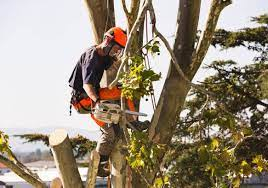
Trees are an integral part of the circle of life, contributing to the balance and health of our ecosystems. They provide us with clean air, shelter for wildlife, and numerous other benefits. However, there are times when tree removal becomes a necessary step for various reasons, such as urban development, safety concerns, or ecosystem management. To ensure the health and safety of your trees, always hire a Qualified Arborist with the expertise to handle tree care and maintenance effectively. In this article, we will delve into the impact of tree removal and its implications on the environment, wildlife, and communities, emphasizing the need for responsible and thoughtful tree management practices.
1. Environmental Consequences
Tree removal can have significant environmental consequences. Trees play a crucial role in carbon sequestration, capturing and storing carbon dioxide, a greenhouse gas responsible for climate change. Removing trees can disrupt this natural process and contribute to increased carbon emissions in the atmosphere.
2. Habitat Loss for Wildlife
Trees serve as vital habitats for a diverse range of wildlife, including birds, insects, and mammals. When trees are removed, these creatures lose their homes and may struggle to find suitable alternative habitats. This disruption can lead to a decline in biodiversity and an imbalance in the ecosystem.
3. Soil Erosion and Water Runoff
Tree roots play a crucial role in preventing soil erosion, anchoring the soil and preventing it from washing away during heavy rainfall. Without trees, soil erosion can occur, leading to sedimentation in water bodies and increased water runoff, potentially causing floods and damage to nearby ecosystems.
4. Impact on Air Quality
Trees play a significant role in improving air quality by absorbing pollutants and releasing oxygen through photosynthesis. When trees are removed, especially in urban areas, air quality can deteriorate, leading to increased air pollution and potential health concerns for residents.
5. Altered Microclimates
Trees provide shade and regulate local temperatures, creating microclimates that support various plants and animals. The removal of trees can lead to altered microclimates, with increased heat in urban areas, commonly known as urban heat islands, affecting both human comfort and wildlife.
6. Community Aesthetics and Green Spaces
Tree removal can impact the aesthetics of a community and the availability of green spaces. Trees contribute to the beauty and charm of neighborhoods, providing a sense of tranquility and connection with nature. The loss of trees can alter the character of a community and diminish its appeal.
7. Public Health and Well-Being
Green spaces and trees are known to have positive effects on public health and well-being. They provide spaces for recreation, relaxation, and mental rejuvenation. Tree removal can reduce these benefits and have adverse effects on the physical and emotional health of communities.
8. Sustainable Tree Management
To mitigate the impact of tree removal, sustainable tree management practices are essential. This includes planting new trees to replace those removed, promoting urban reforestation, and selecting appropriate tree species for the local environment.
9. Balancing Development and Conservation
Finding a balance between urban development and tree conservation is crucial. Responsible urban planning should consider the importance of preserving existing trees and incorporating green spaces into new developments.
10. Community Engagement and Education
Involving the community in tree management decisions and educating the public about the value of trees can foster a deeper appreciation for their role in the circle of life. Community engagement and education can lead to more informed and thoughtful approaches to tree removal and conservation.
Conclusion
The impact of tree removal reaches far beyond the immediate act itself. It influences our environment, wildlife, and communities, highlighting the need for responsible and sustainable tree management practices. While tree removal may sometimes be necessary, it is vital to consider the consequences and explore alternatives that support the well-being of our planet and its inhabitants.