A consistent supply of hot water is essential for daily comfort and functionality in any household. However, even the most reliable water heaters have a limited lifespan. When your water heater starts showing signs of aging or frequent issues, it might be time to consider a Water heater replacement. In this guide, we’ll explore the factors to consider when upgrading your water heater, helping you make an informed decision to ensure a reliable and efficient hot water supply.
Assessing the Need for Replacement:
Before diving into the replacement process, it’s important to assess whether your current water heater truly needs replacing. Here are some signs that indicate it might be time for an upgrade:
- Age: Water heaters typically last around 8 to 12 years. If your unit is approaching or exceeding this age range, it’s a good idea to start considering replacement options, even if it’s still functioning.
- Frequent Repairs: If you find yourself calling a plumber for repairs more often than not, the cumulative cost of these repairs might justify investing in a new, more reliable unit.
- Inefficiency: Older water heaters tend to lose efficiency over time. If you notice a sudden increase in energy bills or a decrease in hot water output, your heater might be working harder to produce the same results.
- Rust and Corrosion: Visible rust or corrosion on the tank or water lines is a clear sign that your water heater is deteriorating and should be replaced.
Types of Water Heaters:
Before selecting a new water heater, you’ll need to choose the type that best suits your needs. Here are the common options:
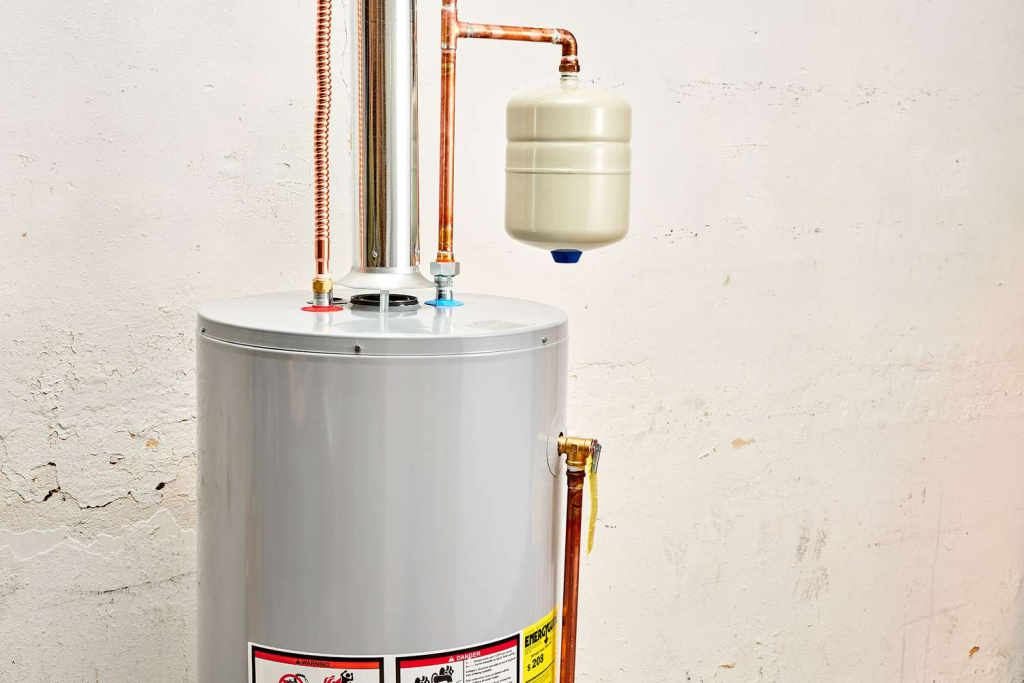
- Tank Water Heaters: These are the traditional water heaters that store and heat a specific amount of water. They come in various sizes and are suitable for households with moderate hot water demands.
- Tankless Water Heaters: Also known as on-demand water heaters, these units heat water as it’s needed. They’re more energy-efficient and take up less space, making them ideal for smaller households.
- Heat Pump Water Heaters: These units extract heat from the air or ground to heat water, making them highly energy-efficient. They work best in moderate climates.
- Solar Water Heaters: Solar water heaters use energy from the sun to heat water, reducing your reliance on traditional energy sources. They’re environmentally friendly but might require a larger upfront investment.
Choosing the Right Size:
Selecting the appropriate size of water heater is crucial to ensure you have an adequate supply of hot water. Consider factors such as the number of people in your household, daily hot water usage, and peak demand times. A water heater that’s too small won’t provide enough hot water, while one that’s too large will waste energy.
Energy Efficiency:
Energy efficiency is a significant consideration when replacing a water heater. Look for units with a high Energy Factor (EF) rating, as this indicates better energy efficiency. Energy-efficient water heaters not only reduce your utility bills but also have a positive impact on the environment.
Installation and Maintenance:
Once you’ve chosen the right water heater, professional installation is essential for safety and optimal performance. A licensed plumber or technician will ensure proper installation, which can also affect the longevity of the unit.
Regular maintenance is equally important to extend the life of your new water heater. Flushing the tank to remove sediment, checking the anode rod, and inspecting for leaks are all part of routine maintenance that can prevent issues and keep your water heater running smoothly.
Budget Considerations:
Water heater replacement can be a significant expense, especially if you’re upgrading to a more advanced and efficient model. While it’s important to invest in a quality unit, make sure the cost aligns with your budget. Consider long-term savings on energy bills and potential repair costs when evaluating your budget.
Conclusion:
Navigating the process of water heater replacement involves careful consideration of various factors, from the type of unit to energy efficiency, size, and installation. Remember that a reliable hot water supply is essential for your daily life and comfort. Investing in a new, efficient water heater not only ensures your immediate needs are met but also contributes to long-term savings and reduced environmental impact. By making an informed decision and seeking professional guidance, you can enjoy the benefits of a consistent and efficient hot water supply for years to come.