Adapting to Climate Change: Hydroponic Supplies for Resilient Farming
Climate change is rapidly altering the way we approach agriculture. The increasing frequency of extreme weather events, shifts in precipitation patterns, and rising temperatures are disrupting traditional farming methods and threatening food security. In this challenging environment, hydroponics, coupled with advanced hydroponic supplies, is emerging as a resilient and adaptable solution to ensure consistent food production in the face of climate uncertainties.
Climate Change and Agriculture: A Growing Concern
Climate change poses significant challenges to agriculture. Erratic weather patterns can lead to droughts, floods, heatwaves, and unpredictable growing seasons, causing crop failures and yield reductions. As these challenges intensify, it’s becoming increasingly evident that conventional farming practices are vulnerable and need to evolve to maintain a stable food supply using Hydroponic Supplies in Australia.
Hydroponics: A Climate-Resilient Alternative
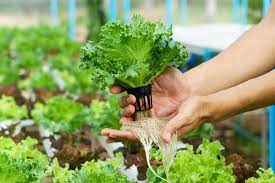
Hydroponics offers a promising way to build climate-resilient farming systems. By cultivating plants in controlled environments, hydroponics minimizes the impact of climate variations on crop production. This method of soilless farming reduces the reliance on traditional soil quality and availability, making it particularly suited for regions with degraded or limited arable land.
The Vital Role of Hydroponic Supplies
Hydroponic supplies play a pivotal role in enabling climate-resilient agriculture. These supplies provide the tools necessary to create and maintain controlled environments, ensuring optimal conditions for plant growth. Key hydroponic supplies that contribute to resilient farming include:
- Climate-Controlled Systems: Hydroponic systems can be established indoors, in greenhouses, or vertical farms, allowing farmers to control factors such as temperature, humidity, and light. This flexibility enables the cultivation of crops year-round, regardless of external weather conditions.
- Efficient Resource Use: Hydroponic setups are designed for resource efficiency. They use significantly less water compared to traditional farming and can incorporate closed-loop nutrient systems that recycle and reuse water and nutrients.
- Disease and Pest Management: Enclosed hydroponic environments reduce the risk of pests and diseases, minimizing the need for chemical interventions. This not only improves food safety but also contributes to sustainable farming practices.
- Localized Food Production: Hydroponics can be implemented in urban areas, bringing food production closer to consumers. This reduces the carbon footprint associated with transportation and distribution.
- Crop Diversity: Hydroponic systems allow for the cultivation of a wide variety of crops, promoting biodiversity and enhancing food security.
A Sustainable Path Forward
Hydroponic supplies pave the way for sustainable and adaptable farming practices that can mitigate the impact of climate change. As these systems become more advanced and accessible, they offer a viable solution for farmers looking to secure their livelihoods and communities seeking to enhance food resilience.
Challenges and Considerations
While hydroponics offers numerous benefits in the context of climate change, there are challenges to overcome. Initial investment costs, energy requirements for indoor setups, and the need for specialized knowledge can present barriers to adoption. Furthermore, ensuring a balanced nutrient supply and preventing disease outbreaks in enclosed environments require careful management.
As the effects of climate change continue to reshape our world, agriculture must adapt to ensure food security and sustainability. Hydroponic supplies and systems are playing a critical role in creating resilient farming solutions that can withstand the challenges posed by a changing climate. By harnessing the power of controlled environments, efficient resource use, and advanced technology, hydroponics offers a path forward toward a more secure and sustainable global food supply.