Introduction
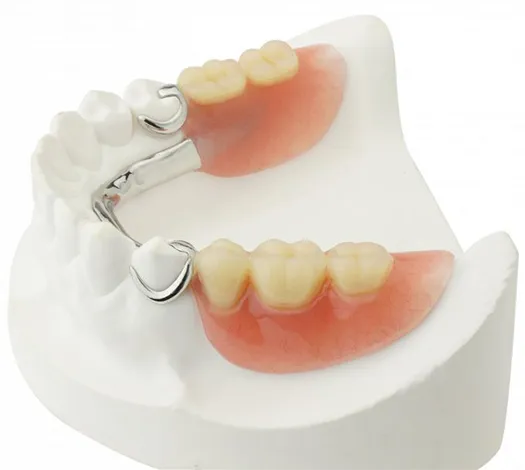
Getting dentures doesn’t mean giving up on enjoying your favorite foods. With the right techniques and adjustments, you can continue to savor a wide range of delicious meals. The full dentures are a reliable and effective solution for replacing all of your missing teeth, providing you with a complete and functional smile. In this article, we will provide helpful advice for eating with dentures, ensuring that you can still enjoy the pleasures of dining while wearing your dentures comfortably.
Tip 1: Start with Soft Foods
When you first get your dentures or have them adjusted, it’s a good idea to start with soft foods that are easier to chew and swallow. This allows you to adapt to your new dentures gradually. Some examples of soft foods include mashed potatoes, scrambled eggs, yogurt, soups, and cooked vegetables. As you become more comfortable with your dentures, you can gradually introduce firmer foods into your diet.
Tip 2: Cut Food into Small Pieces
To make chewing more manageable, cut your food into small, bite-sized pieces. This reduces the strain on your dentures and makes it easier to chew. Using a knife and fork or breaking food into smaller portions can help you enjoy your meals without discomfort or difficulty.
Tip 3: Chew Slowly and Mindfully
Take your time while eating with dentures. Chew your food slowly and mindfully, ensuring that you break down the food into smaller pieces before swallowing. This not only aids digestion but also prevents any potential discomfort or choking. Enjoying your meals at a relaxed pace allows you to savor the flavors and textures of the food.
Tip 4: Avoid Sticky and Hard Foods
While dentures are designed to withstand regular chewing, it’s best to avoid sticky and hard foods that can put excessive pressure on your dentures. These types of foods can cause your dentures to shift or become dislodged. Examples of sticky foods include caramel, toffee, and chewing gum. Hard foods like nuts, hard candies, and ice cubes can potentially damage your dentures. Opt for softer alternatives to enjoy similar flavors and textures.
Tip 5: Be Mindful of Hot Foods and Beverages
Dentures can reduce the sensitivity of your mouth to hot temperatures, increasing the risk of burns. Be cautious when consuming hot foods and beverages, as you may not be able to detect if they are too hot. Allow hot foods to cool down before taking a bite, and take small sips of hot beverages while ensuring they are at a comfortable temperature.
Tip 6: Use Denture Adhesives if Necessary
If you find that your dentures feel loose or have difficulty keeping them in place while eating, consider using denture adhesives. Denture adhesives can provide additional stability and prevent slippage during meals. Follow the instructions provided by the manufacturer and consult your dentist for guidance on using denture adhesives effectively.
Tip 7: Maintain Proper Denture Care
Proper denture care is essential for comfortable eating. Clean your dentures thoroughly before and after meals to remove any food particles that may cause discomfort or irritation. Follow the recommended cleaning techniques provided by your dentist, and ensure that your dentures fit properly to prevent movement while eating.
Conclusion
Having dentures doesn’t mean compromising on your eating enjoyment. By following these tips for eating with dentures—starting with soft foods, cutting food into small pieces, chewing slowly, avoiding sticky and hard foods, being mindful of hot foods and beverages, using denture adhesives if necessary, and maintaining proper denture care—you can continue to savor your favorite foods with confidence and comfort.